

How Fine-Edge Dental Instruments Improve Clinical Accuracy

Enhancing Precision with Fine‑Edge Dental Tools
Fine edge dental instruments are precision tools designed with sharpened bevels and refined tips that enhance tactile feedback and clinical control. This allows clinicians to perform more accurate assessments and minimally invasive procedures with greater confidence. By concentrating cutting and scraping forces into a smaller contact area, fine edge designs help preserve surrounding tissue, improve procedural predictability, and support better healing outcomes and aesthetics.
This article explores the biomechanics of instrument sharpness, including how material selection and manufacturing processes influence edge durability and performance. It also highlights practical maintenance and ergonomic considerations that help preserve clinical accuracy over time. Certain instrument categories rely heavily on fine edge geometry for effective performance, making edge quality a critical factor in clinical selection.
Attention is also given to medical grade stainless steel, such as German stainless steel, and how controlled manufacturing and quality systems contribute to consistent edge retention and reliability. The following sections progress from functional mechanics and clinical outcomes to material science, instrument selection, maintenance practices, ergonomics, and supplier considerations for clinical use.
Why is instrument sharpness critical for clinical accuracy in dentistry?
Sharpness is the property that translates clinician input into precise mechanical action. A well-sharpened bevel reduces the force required while concentrating stress at the contact point, enabling cleaner cuts, more predictable planing, and clearer tactile feedback. This improves control by reducing slippage and minimizing unwanted deformation when instruments engage tissue, calculus, or restorative margins.
From a clinical perspective, sharper instruments help reduce tissue trauma, shorten procedure time, and improve the alignment between intended and achieved outcomes. These factors contribute to greater patient comfort, enhanced procedural efficiency, and improved overall treatment predictability.
The following sections expand on direct patient benefits as well as operator performance, illustrating how instrument sharpness delivers practical advantages in everyday clinical practice.
For patients, sharper instruments reduce micro-tears and intraoperative bleeding, which can support faster healing and reduced postoperative discomfort. Lower levels of tissue trauma may also help minimize inflammation and reduce the likelihood of secondary complications.
In restorative and periodontal procedures, well-defined margins are essential for both functional integrity and aesthetic outcomes. Improved sharpness contributes to more precise finishing and adaptation, which supports better long-term clinical results.
The following subsection focuses on measurable, patient-centered outcomes directly associated with instrument sharpness and clinical performance.
Sharper instruments also reduce the physical effort required by clinicians, lowering muscle strain and minimizing unnecessary micro-movements that can reduce accuracy during extended procedures. When less force is needed, clinicians are able to maintain steadier control, improve procedural efficiency, and achieve more consistent outcomes across different patients.
These ergonomic and performance advantages contribute to reduced fatigue, enhanced precision, and improved overall workflow in clinical practice. The following subsection further explores the ergonomic and efficiency benefits associated with instrument sharpness and optimal clinical handling.
When evaluating instrument sources, clinicians should consider manufacturers that emphasize precision craftsmanship, medical grade stainless steel, and certified manufacturing processes. These factors indicate a structured approach to quality control and consistent production standards, which help support reliable clinical performance.
High quality materials and verified manufacturing systems contribute to predictable instrument behavior, durability, and edge retention. This alignment between material selection and controlled production processes reinforces the clinical advantages discussed earlier and highlights the importance of evaluating both materials and manufacturing standards when selecting fine edge dental instruments.
How do sharp dental tools enhance patient outcomes and comfort?
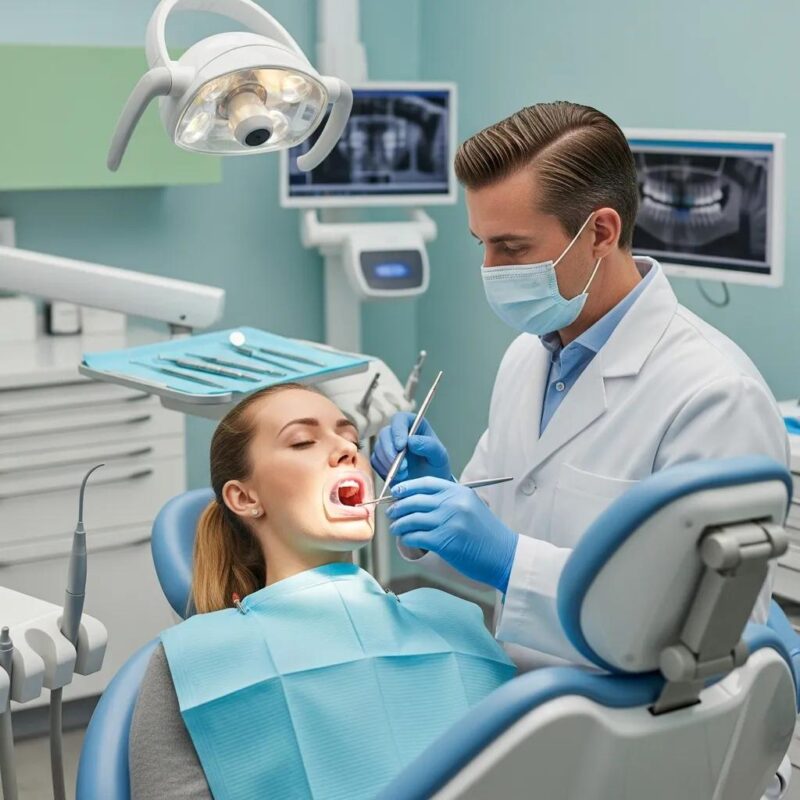
Sharp dental instruments concentrate cutting forces at an acute edge, which helps reduce lateral tearing and compressive injury to soft tissues and gingival margins. This mechanical efficiency can contribute to reduced bleeding, lower postoperative discomfort, and decreased inflammatory response, supporting faster recovery and improved short-term patient comfort.
Patients may also benefit from shorter procedure times, as sharp instruments perform tasks such as calculus removal and margin refinement more efficiently. This can reduce chair time and overall treatment-related anxiety, while also limiting cumulative exposure to local anesthetics in applicable procedures.
These patient-centered advantages highlight why maintaining edge quality is a priority in clinical practice and underscore the importance of routine instrument maintenance to ensure consistent performance and high-quality care outcomes.
Cleaner, less traumatic instrumentation also improves clinical predictability. Restorative margins and surgical incisions are more likely to align with intended treatment outcomes, reducing the risk of microleakage and supporting improved periodontal reattachment following scaling and root planing procedures.
By minimizing tissue disruption and improving precision, sharper instruments contribute to more controlled clinical results and enhanced treatment reliability. The following section explores how instrument sharpness also affects clinician efficiency and fatigue, further reinforcing both operator performance and patient-centered benefits.
What is the impact of fine‑edge instruments on operator efficiency and fatigue?
Fine edge instruments reduce the force and repetitive exertion required for cutting and debridement, helping lower cumulative musculoskeletal load and the risk of overuse injuries in dental professionals. When less force is needed, clinicians rely less on compensatory pressure and large corrective movements, allowing for more controlled, precise handling during delicate procedures such as subgingival scaling or fine incisions.
This improved control can contribute to greater procedural efficiency, including shorter treatment times without compromising clinical quality. Reduced fatigue also helps maintain accuracy throughout longer clinical sessions, supporting more consistent outcomes across multiple patients and working days.
Overall, minimizing physical strain enhances both clinician well-being and practice productivity while reinforcing the importance of maintaining sharp, well-performing instruments.
Good ergonomics and proper instrument balance amplify these benefits. A well-balanced, sharp tool directs clinician force into the intended cutting or debridement action rather than requiring compensation to stabilize or control the instrument. This improves handling efficiency, reduces unnecessary muscle strain, and supports more precise clinical movements.
The following section examines the materials and craftsmanship that help preserve sharpness, balance, and overall instrument performance. It also explores how manufacturing choices influence long-term durability and operator efficiency in clinical practice.
What materials and craftsmanship define fine‑edge dental instruments?
Fine edge instruments are the result of careful alloy selection, controlled heat treatment, precision grinding and polishing, and rigorous edge verification. Each stage of the manufacturing process influences edge retention, corrosion resistance, sterilization tolerance, and overall clinical performance.
Medical grade stainless steel, including German stainless steel, offers a balance of hardness, corrosion resistance, and polishability that supports stable cutting bevels and consistent edge geometry across repeated autoclave cycles. Precision grinding, tempering, and finishing processes help eliminate micro-defects and ensure uniform bevel angles, which preserve tactile feedback and cutting efficiency over time. When combined with certified quality management systems, these processes become highly repeatable and contribute to consistent instrument performance.
The following table compares German stainless steel with other commonly used materials based on key attributes relevant to clinical selection and instrument performance.
The table below summarizes key material attributes relevant to fine edge dental instruments and explains their importance for clinical accuracy, durability, and consistent performance in practice.
| Material | Edge Retention | Corrosion Resistance | Sterilization Tolerance |
|---|---|---|---|
| Medical‑grade German stainless steel | High — maintains edge with minimal regrinding | Excellent — resists pitting and staining | Excellent — endures repeated autoclave cycles |
| Standard surgical stainless (non‑German grades) | Moderate — dulls faster under heavy use | Moderate — more prone to surface oxidation | Good — may discolor over extended cycles |
| High‑carbon steel | Very high initial sharpness but lower corrosion resistance | Low — requires protective measures | Poor–moderate — vulnerable to rust without strict controls |
This comparison highlights why material selection is critical for long-term precision. Strong edge retention reduces the frequency of maintenance, corrosion resistance helps preserve surface finish and tactile feedback, and high sterilization tolerance ensures instruments remain safe and functionally accurate through repeated processing cycles.
The next subsection explains how the properties of German stainless steel translate into clinical performance, durability, and extended instrument lifespan in everyday practice.
How does medical‑grade German stainless steel improve instrument performance?
Medical grade German stainless steel offers a balance of hardness and corrosion resistance that supports durable edge retention and reliable performance through repeated sterilization cycles. Its increased hardness helps maintain a fine bevel and reduces the risk of micro-chipping, preserving cutting efficiency and maintaining tip sensitivity over time.
The material’s high polishability also contributes to lower surface friction, which enhances tactile feedback and makes instruments such as explorers and scalers feel more responsive in clinical use. This improved feedback supports more accurate diagnosis and controlled instrumentation.
In practice, these properties result in fewer sharpening interruptions, clearer diagnostic cues, and an extended instrument service life. Together, these advantages positively influence both clinical performance and long-term practice efficiency.
Because sterilization processes and chemical disinfectants can affect surface finish over time, corrosion-resistant alloys help preserve polish, tactile feedback, and overall instrument integrity for longer periods. This stability supports consistent clinical performance and reduces the rate of surface degradation across repeated use cycles.
The next subsection outlines the certifications and quality standards used to verify material properties and manufacturing controls, providing clinicians and procurement teams with greater confidence in supplier claims and product reliability.
What manufacturing certifications ensure precision and quality in dental tools?
Certifications such as ISO 13485 and regulatory listings like Health Canada MDEL demonstrate that a supplier operates under recognized medical device quality management and regulatory frameworks. ISO 13485 reflects structured process control, traceability, and documented quality assurance systems designed to reduce variability in manufacturing processes such as grinding, heat treatment, and finishing.
Health Canada MDEL indicates regulatory authorization for distributing medical devices in Canada, adding an additional layer of compliance oversight and supply chain traceability. Together, these credentials help ensure that manufacturers maintain consistent production standards, controlled material sourcing, and defined corrective and preventive action procedures.
For clinicians and procurement teams, such certifications provide confidence in predictable edge geometry, reliable manufacturing practices, and structured quality control systems that support consistent instrument performance.
Understanding which certifications are relevant helps clinicians and procurement teams select vendors that support clinical accuracy through validated manufacturing systems and consistent quality controls. These frameworks provide assurance that instruments are produced under controlled conditions that support reliability, traceability, and performance consistency.
The next section explores instrument types that depend most on fine edge geometry and explains how to match specific instrument attributes to different clinical tasks for optimal outcomes.
Which fine‑edge dental instruments are essential for precise clinical procedures?
Fine edge geometry plays a critical role across several instrument classes, including diagnostic explorers for tactile detection, periodontal scalers and curettes for subgingival debridement, surgical knives and forceps for precise and atraumatic tissue handling, and endodontic and restorative instruments for accurate margin definition.
Each instrument category requires specific design characteristics such as tip radius, bevel angle, and handle ergonomics to function effectively. These parameters directly influence cutting efficiency, tactile sensitivity, and overall clinical control.
Selecting the appropriate combination of these attributes enables clinicians to perform procedures with greater predictability and reduced tissue disruption. The following table outlines common instrument types along with their corresponding edge characteristics and associated clinical benefits.
This table helps clinicians compare instrument classes and the edge characteristics that are most important for maintaining clinical accuracy, precision, and predictable performance across different procedures.
| Instrument Type | Key Attribute | Clinical use / Benefit |
|---|---|---|
| Periodontal scalers & curettes | Fine tip radius, acute bevel | Precise calculus removal with reduced tissue trauma |
| Surgical knives | Controlled blade geometry, sharp bevel | Clean incisions and predictable wound margins |
| Surgical forceps | Aligned tips, fine contact surfaces | Atraumatic tissue handling and secure suturing |
| Dental explorers & probes | Ultra‑fine points, polished finish | Improved diagnostic sensitivity for caries and margins |
This mapping clarifies why selection must be task‑specific: edge geometry and tip design govern access, control and tissue interaction. The next subsections explore periodontal and surgical applications where fine edges make the biggest difference.
How do periodontal scalers and curettes contribute to treatment accuracy?
Periodontal scalers and curettes rely on precise tip geometry and stable bevel angles to access subgingival deposits and perform effective root planing without damaging root surfaces. Correct angulation—typically around 60–80° between the blade and the root surface—combined with a sharp cutting edge allows for efficient removal of calculus while minimizing burnishing or flattening of the root structure.
Maintaining a fine edge reduces the number of strokes required, which helps lower tissue trauma and supports preservation of cementum when reattachment is the treatment goal. This improves both procedural efficiency and biological outcomes in periodontal therapy.
Regular inspection of edge integrity and timely sharpening are essential to ensure consistent performance and accuracy of scalers and curettes across recall visits and long-term periodontal maintenance programs.
Research and clinical practice identify optimal bevel angles for many periodontal hand instruments, and maintaining this geometry during sharpening is essential for consistent performance. Preserving the intended bevel angle helps ensure efficient cutting action, predictable tactile feedback, and improved procedural control.
Accurate sharpening techniques reduce variability in instrument behavior, support clinician confidence, and contribute to greater patient comfort by minimizing unnecessary force and tissue trauma. Consistency in edge geometry also extends instrument usability and helps maintain reliable performance across repeated clinical use.
Optimal Bevel Angle for Periodontal Instrument Sharpening
For many periodontal hand instruments, maintaining a consistent bevel angle is important to balance cutting efficiency with preservation of the instrument’s working profile. A commonly referenced approach is to keep the sharpening geometry close to the original design angle so that the instrument retains its intended performance characteristics.
Maintaining a stable edge geometry helps ensure efficient cutting action, predictable tactile feedback, and controlled tissue interaction. It also supports longer instrument life by reducing unnecessary reshaping during sharpening, which contributes to consistent clinical performance over time.
Maintaining correct angulation and a consistently sharp edge helps improve periodontal outcomes, including more effective pocket reduction and enhanced patient comfort during and after treatment. Properly maintained instruments allow for controlled tissue interaction, reduced trauma, and more predictable clinical results.
The following subsection explores surgical blades and forceps, where precise edge geometry and structural integrity also play a critical role in wound healing, procedural accuracy, and the reduction of post-operative complications.
What role do surgical knives and forceps play in surgical precision?
Surgical knives require precise blade profiles and acute bevels to create controlled incision geometry that minimizes tissue crushing and supports primary intention healing. A consistently ground edge reduces resistance during cutting, producing clean wound margins that are easier to approximate and stabilize with sutures.
Forceps with accurately aligned, finely tapered tips enable atraumatic tissue handling and precise needle placement during suturing. This helps reduce excessive compression, preserving blood supply and minimizing localized ischemia.
Together, sharp surgical blades and well-aligned forceps contribute to reduced risk of wound dehiscence and infection, while also supporting improved healing rates and more favorable cosmetic outcomes.
Surgeons require instruments that maintain consistent edge geometry through repeated sterilization cycles and ongoing clinical use. Reliable edge retention and structural stability are essential for sustaining precision, safety, and predictable performance in surgical procedures.
This requirement highlights the importance of proper maintenance practices, which help preserve instrument sharpness, alignment, and functional integrity over time. The following section explores these maintenance strategies in detail and explains how they support long-term clinical accuracy.
How can dental professionals maintain the sharpness and longevity of fine‑edge instruments?
Preserving fine edges depends on disciplined cleaning, correct sterilization parameters, proper drying and storage, and scheduled sharpening using appropriate abrasives and angle guides to maintain bevel geometry. A consistent maintenance protocol helps prevent corrosion, reduces the risk of surface damage, and ensures early detection of edge wear such as rolling or chipping before it affects clinical performance.
When followed correctly, these practices support timely sharpening or regrinding, restoring instrument function before any decline in clinical quality occurs. The following section presents a concise maintenance workflow that clinics and sterilization teams can use to maintain instrument accuracy, longevity, and reliable performance.
- Pre‑clean Immediately: Rinse or soak instruments promptly after use to prevent bioburden from drying and reduce abrasive residue buildup.
- Use Ultrasonic Cleaning Appropriately: Use recommended ultrasonic cycles for residue removal but avoid excessive agitation that may accelerate edge wear; follow manufacturer guidance on cycle length and detergents.
- Inspect and Document: After cleaning and sterilization, visually and tactually inspect edges for roll, nicks or corrosion and record findings in instrument logs.
- Sharpen or Regrind on Schedule: Use stones, guided sharpeners or professional regrinding services at intervals based on usage; preserve original bevel angles to maintain performance.
- Store Safely: Keep instruments in trays or holders that prevent tip contact and avoid stacking that could blunt edges.
Following these steps establishes a lifecycle that preserves edge geometry and diagnostic fidelity. The table below offers a recommended maintenance schedule tied to typical outcomes and frequencies.
| Instrument | Maintenance step | Expected outcome / frequency |
|---|---|---|
| Scalers & curettes | Inspect and touch‑sharpen weekly; professional regrind every 6–12 months | Preserves cutting efficiency and reduces patient discomfort |
| Surgical blades & forceps | Inspect after each sterilization; replace or regrind when tip alignment degrades | Ensures atraumatic incisions and reliable handling; as‑needed |
| Explorers & probes | Light polishing and inspection monthly; sharpen when tactile feedback declines | Maintains diagnostic sensitivity; monthly to quarterly |
Using a documented maintenance schedule helps reduce unexpected dulling and supports consistent clinical accuracy across different providers. It also improves workflow reliability by ensuring instruments are serviced at appropriate intervals and remain in optimal working condition.
The following sections outline practical cleaning procedures and sharpening guidance to help maintain edge quality, extend instrument lifespan, and ensure consistent clinical performance.
What are the best practices for cleaning and sterilizing precision dental tools?
Begin with immediate gross decontamination, followed by controlled ultrasonic cleaning, thorough rinsing, and validated autoclave cycles that balance microbial elimination with material preservation. Use neutral pH detergents specifically designed for medical instruments in ultrasonic cleaners, and avoid abrasive scrubbing that may damage or roll fine edges. Follow manufacturer-recommended ultrasonic exposure times to ensure effective debris removal while minimizing wear.
Set autoclave parameters according to the instrument material’s tolerance, with pre-vacuum cycles commonly used for stainless steel instruments. Document all cycle settings to ensure traceability and support quality control systems.
After sterilization, inspect instruments for signs of corrosion, discoloration, or edge deformation. Any abnormalities should be recorded in maintenance logs so that issues can be identified early and addressed before they affect clinical performance.
Documenting each step of the cleaning and sterilization process, along with proper staff training, helps ensure both effective infection control and preservation of instrument edge geometry. Consistent handling practices reduce the risk of accidental damage and support long-term instrument reliability across clinical use.
The next subsection outlines sharpening methods that restore cutting efficiency while maintaining correct bevel geometry, ensuring instruments continue to perform accurately and safely over time.
How do sharpening techniques preserve instrument performance and clinical accuracy?
Good sharpening preserves the original bevel angle and tip radius while removing only the minimum amount of metal required to restore cutting efficiency. This is achieved by using progressively finer abrasives and controlled, consistent motion to maintain the intended edge geometry without altering the instrument’s design.
Hand sharpening with high-quality water or oil stones provides precise tactile control, particularly for delicate tips. Guided sharpening systems help maintain consistent angles across instrument sets, ensuring uniform performance. Motorized sharpening systems can improve efficiency for more robust instruments, but they must be used with appropriate guides and conservative passes to avoid excessive material removal or overheating.
Common indicators that sharpening is needed include reduced tactile feedback, increased force required during use, and visible edge rolling or chipping. In cases of significant wear or damage, professional regrinding may be necessary to restore the original geometry while preserving as much material as possible.
Keep a sharpening log with angle settings and service dates to balance sharpening frequency with instrument lifecycle considerations. Those records also inform ergonomic and procurement decisions that help clinicians maintain precision.
How does ergonomic design in fine‑edge dental instruments reduce clinician fatigue?
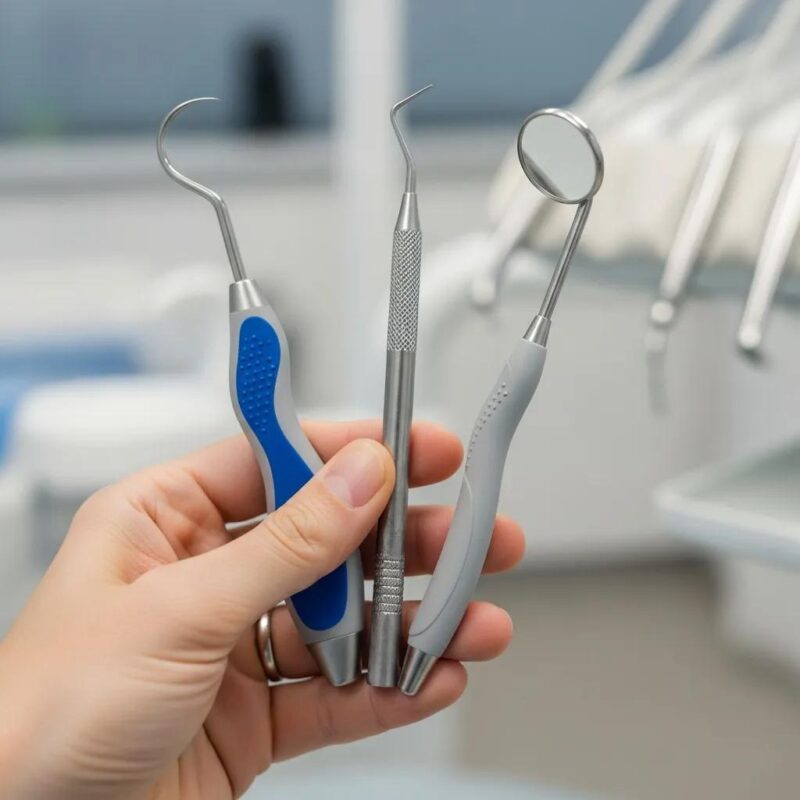
Ergonomic design complements a fine edge by reducing grip force, improving balance and sharpening tactile feedback — all factors that lower repetitive strain and help preserve fine motor control. Handle diameter and texture shape grip posture and micro‑movement stability; an instrument that fits comfortably transmits subtle tactile cues more effectively than one that forces grip tension. Forward balance centers force closer to the working end, reducing wrist torque and enabling precise control with less effort. Together, these elements reduce the physical cost of repetition and help clinicians maintain steady accuracy during longer sessions. The following subsection lists ergonomic features to prioritize when evaluating instruments.
The following list highlights ergonomic features to evaluate during selection and procurement.
- Handle diameter and shape: Pick handles that support a relaxed tripod grip and lower pinch force.
- Textured grip surfaces: Choose fine, non‑slip textures that preserve control without increasing tension.
- Balance point near working end: Prefer instruments with a forward balance to reduce wrist torque.
- Lightweight, rigid construction: Aim for low mass paired with material rigidity for stable precision.
Selecting instruments with these features reduces fatigue and helps sustain clinical accuracy over extended procedures. The next subsection links reduced operator strain to more consistent patient outcomes.
What ergonomic features improve control and comfort during dental procedures?
Key ergonomic features include a handle diameter that supports a relaxed tripod grasp, a lightweight yet rigid build to limit hand fatigue, a textured surface for slip resistance and a balance point that brings the center of mass closer to the working end. These attributes lower grip force and unnecessary micro‑adjustments, improving fine motor control so sharp instruments can perform without compensatory effort. Clinicians can evaluate balance by checking whether an instrument pivots naturally around the hand axis and testing wrist posture during simulated strokes. Choosing instruments with these qualities sustains precision and reduces cumulative strain over a clinical day.
Reduced fatigue also lowers variability introduced by tired hands, which we examine next when linking ergonomics to outcome consistency.
How does reduced operator strain contribute to consistent clinical outcomes?
When clinicians experience less fatigue, their micro‑motor control stays steadier across patients and long sessions, reducing procedural variability and the chance of technique‑related errors. Lower strain also decreases the risk of occupational musculoskeletal disorders that can disrupt practice or force changes in technique. Practices that invest in sharp instruments and ergonomic design see compounded benefits: more accurate care, shorter treatment times and a more consistent patient experience — plus improved staff retention and workplace health.
Why choose Lenox Instruments for fine‑edge dental tools and clinical excellence?
Lenox Instruments is a Canadian supplier of premium dental and surgical instruments that prioritizes precision craftsmanship, medical‑grade German stainless steel and certified manufacturing like ISO 13485 and Health Canada MDEL. Those attributes align with the material and process factors clinicians rely on to maintain fine edges, providing traceability and documented quality controls that reduce variability between batches. Lenox’s catalog covers Diagnostic, Surgical, Restorative, Orthodontic, Endodontic, Periodontal and Instrument Management categories, enabling clinicians to source task‑specific instruments with consistent edge geometry and ergonomic features.
We support practices with direct purchase facilitation, responsive customer care and options for bulk or custom orders — all designed to help clinics standardize instrument sets and maintenance workflows. For teams seeking instruments made from medical‑grade alloys with verified manufacturing, Lenox’s certified production and broad catalog offer a practical procurement path that complements in‑office maintenance. The subsection below highlights the product categories most relevant to fine‑edge use cases.
What product categories showcase Lenox's commitment to precision and quality?
Lenox Instruments’ product categories align with the clinical needs covered in this guide: Diagnostic instruments include finely polished explorers and probes; Periodontal offerings feature scalers and curettes with precise tip geometry; Surgical ranges include blades and forceps engineered for atraumatic handling; Endodontic and Restorative lines supply margin‑defining tools; and Instrument Management provides storage and reprocessing solutions. These groupings let clinicians source coordinated sets built to consistent manufacturing and finish standards. When planning procurement, use these categories to match instrument selection with clinical tasks and maintenance strategies.
Supplier support at the category level simplifies lifecycle planning and helps ensure consistency across an instrument inventory. The next subsection explains how Lenox’s certifications and manufacturing standards translate into clinician assurance.
How do Lenox's certifications and manufacturing standards support clinical accuracy?
Lenox Instruments’ commitment to certified manufacturing, including ISO 13485 and Health Canada MDEL listings, reflects documented quality management, traceability and regulatory compliance in production and distribution. ISO 13485 focuses on consistent medical‑device manufacturing controls — design verification, process validation and corrective action — which reduce variability in edge geometry and finish. Health Canada MDEL indicates regulatory oversight for devices sold in Canada, supporting legal compliance and distribution traceability. For clinicians, these certifications mean manufacturing claims about material selection, edge finishing and sterilization tolerance are backed by formal processes that improve product consistency and reliability.
Clinicians who prioritize clinical accuracy should look for these quality signals when selecting suppliers because they directly affect predictable instrument performance and the feasibility of standardized maintenance programs.
Frequently Asked Questions
What are the signs that a dental instrument needs sharpening?
Sharpen an instrument when tactile feedback diminishes, the required cutting force increases, or you see edge roll or chipping. Regular inspections after cleaning and sterilization will catch these signs early. If an instrument feels less responsive or needs noticeably more effort to achieve the same result, schedule sharpening. Keeping a sharpening log also helps track service intervals and maintain consistent performance.
How can improper maintenance affect dental instruments?
Poor maintenance leads to corrosion, dulling and compromised instrument integrity, all of which degrade clinical performance. Letting bioburden dry on instruments makes cleaning and sterilization harder and raises infection risk. Skipping inspections lets small edge damage worsen until repair or replacement is required. Consistent, documented maintenance is essential to prolonging instrument life and preserving clinical effectiveness.
What role does ergonomics play in instrument selection?
Ergonomics directly affects clinician comfort and performance. Instruments designed with an appropriate handle diameter, textured grip and balanced weight distribution reduce hand fatigue and improve control. That translates into steadier precision over long sessions and fewer technique adjustments caused by discomfort. Choosing ergonomic instruments supports better outcomes and improves clinician wellbeing.
How does the choice of instrument material affect performance?
Material choice strongly influences performance, durability and maintenance. Medical‑grade German stainless steel, for example, offers a balance of hardness and corrosion resistance that helps preserve sharpness and edge retention. Lower‑quality materials may dull faster and need more frequent sharpening. The right alloy also withstands repeated sterilization cycles without degrading, keeping instruments safe and dependable for clinical use.
What are the benefits of using ultrasonic cleaning for dental instruments?
Ultrasonic cleaning removes debris and bioburden thoroughly without harming delicate edges. Microcavitation dislodges contaminants from hard‑to‑reach areas, which is especially valuable for instruments with fine tips and complex geometry. Used correctly, ultrasonic cleaning improves hygiene, lowers infection risk and helps extend instrument life — key benefits for patient safety and practice efficiency.
How can clinicians ensure consistent performance across different instruments?
Consistent performance comes from a structured maintenance schedule that includes routine inspections, cleaning and sharpening, plus documented service histories for each instrument. Choosing instruments from reputable manufacturers with strong quality controls and certifications reduces variability. Training staff on correct handling and maintenance techniques completes the system, helping preserve consistent performance across the inventory.
What should clinicians consider when sourcing fine‑edge dental instruments?
When sourcing fine‑edge instruments, evaluate material quality, ergonomic design and manufacturer certifications. Medical‑grade alloys like German stainless steel provide better edge retention and corrosion resistance. Ergonomic features reduce clinician fatigue and improve control. Certifications such as ISO 13485 indicate robust quality management systems, which enhance reliability. Balancing these factors helps clinicians make informed purchasing decisions that meet clinical needs.
Conclusion
Fine‑edge dental instruments elevate clinical precision, improving patient outcomes while reducing operator fatigue. Combining high‑quality materials with thoughtful ergonomic design lets clinicians work more accurately and comfortably. By committing to disciplined maintenance and choosing reliable suppliers, dental teams can sustain instrument performance and longevity. Explore Lenox Instruments’ range of fine‑edge tools to support better care and streamlined practice workflows today.